

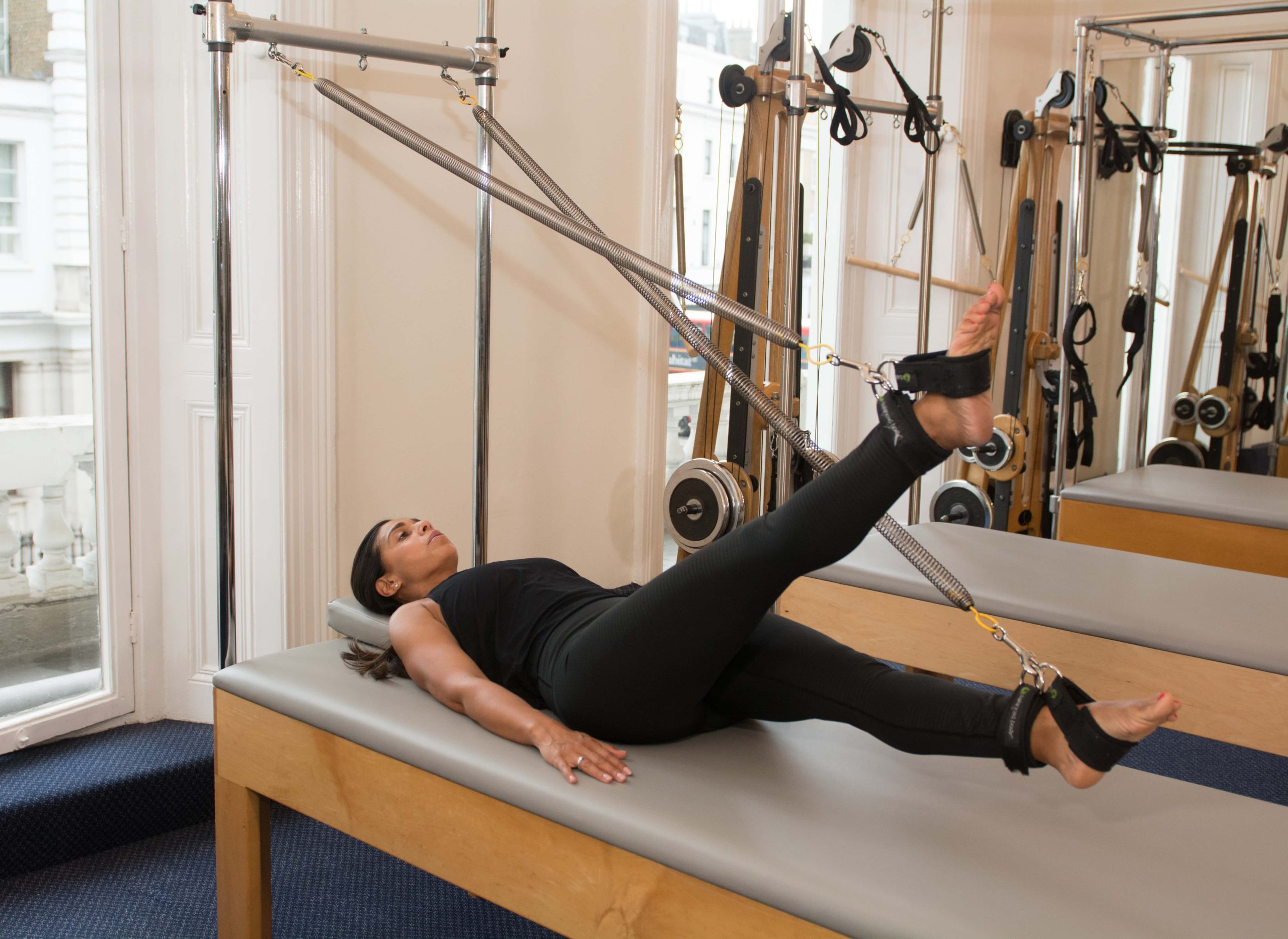
Most people who’ve never tried Pilates arrive with the same handful of questions in their head, even if they don’t say them out loud: will I be able to keep up? Is it going to hurt? What if I’m the least capable person in the room?
If you’re starting with us, none of that applies in quite the way you’d expect — because there is no room full of people to keep up with, and nothing to prove.
There’s no group to keep pace with
Every new client starts with an individual, one-to-one session. That means the entire session is built around you — your body, your level, your goals — not adjusted down or up to fit a class average. Nobody is watching to see if you’re keeping up, because there’s no pace being set except the one that’s right for you.
Your first session starts with assessment, not exercise
Before any movement begins, we take the time to understand your body: your posture, your mobility, any injuries or conditions, any areas of tightness or weakness, and what you’re hoping to get out of Pilates. This isn’t a formality — it’s what shapes everything that follows, including your very first exercises.
What the movement itself feels like
Pilates is slower and more controlled than most people expect, especially if they’re picturing a high-energy fitness class. There’s no music, and no rush. Movements are precise rather than fast, and the focus is on understanding what your body is doing with each one, not powering through repetitions.
For a first session, we typically introduce a small number of foundational movements, done properly and understood clearly, rather than a long sequence you’re trying to keep track of. It’s far more common to leave a first session feeling like you’ve learned something about how your body moves than to leave exhausted.
Do I need to be flexible or fit to start?
No. This is one of the most common misconceptions. Pilates meets you at your current level and builds from there — flexibility and strength develop through the practice, they aren’t a prerequisite for starting it. It’s also a common question whether Pilates can genuinely build muscle and strength — it can, though not in the way a weights session does.
Will my first session be difficult?
It’s more likely to feel unfamiliar than difficult. Many beginners are surprised by how much focus and control quiet, slow movement actually requires — it’s a different kind of challenge from a fast-paced workout, not necessarily a harder one.
What should I wear to my first session?
Comfortable, close-fitting clothing that allows your instructor to see how your body is moving — leggings or fitted trousers and a fitted top work well. Grip socks are usually recommended for the apparatus.
How many sessions before I notice a difference?
This varies by individual, but most clients begin to notice changes in body awareness, posture, and control within the first several sessions, with strength and mobility improvements building over a longer period. We’ll talk through what to expect for you specifically during your assessment.
Ready to try your first session?
If you’re curious about Pilates and want a genuinely tailored introduction, get in touch to arrange your first one-to-one session.
