Please rotate your device.
S C R O L L

Private Reformer Pilates in London: The Classical Approach at Trevor Blount Pilates

If you’ve been searching for quality Pilates classes in London, you’ve likely seen dozens of studios. Group reformer classes, mat classes, and hybrid fitness concepts are everywhere from Shoreditch to Chelsea. But if you want Pilates taught the way it was originally designed — precise, anatomical, and tailored to you — the options narrow quickly.

Trevor Blount Pilates has been teaching the classical method in South Kensington since 1985, offering private one-to-one and two-to-one sessions for clients with injuries, complex postural needs, or anyone who wants long-term results, not short-term workouts.

What Makes Reformer Pilates Different

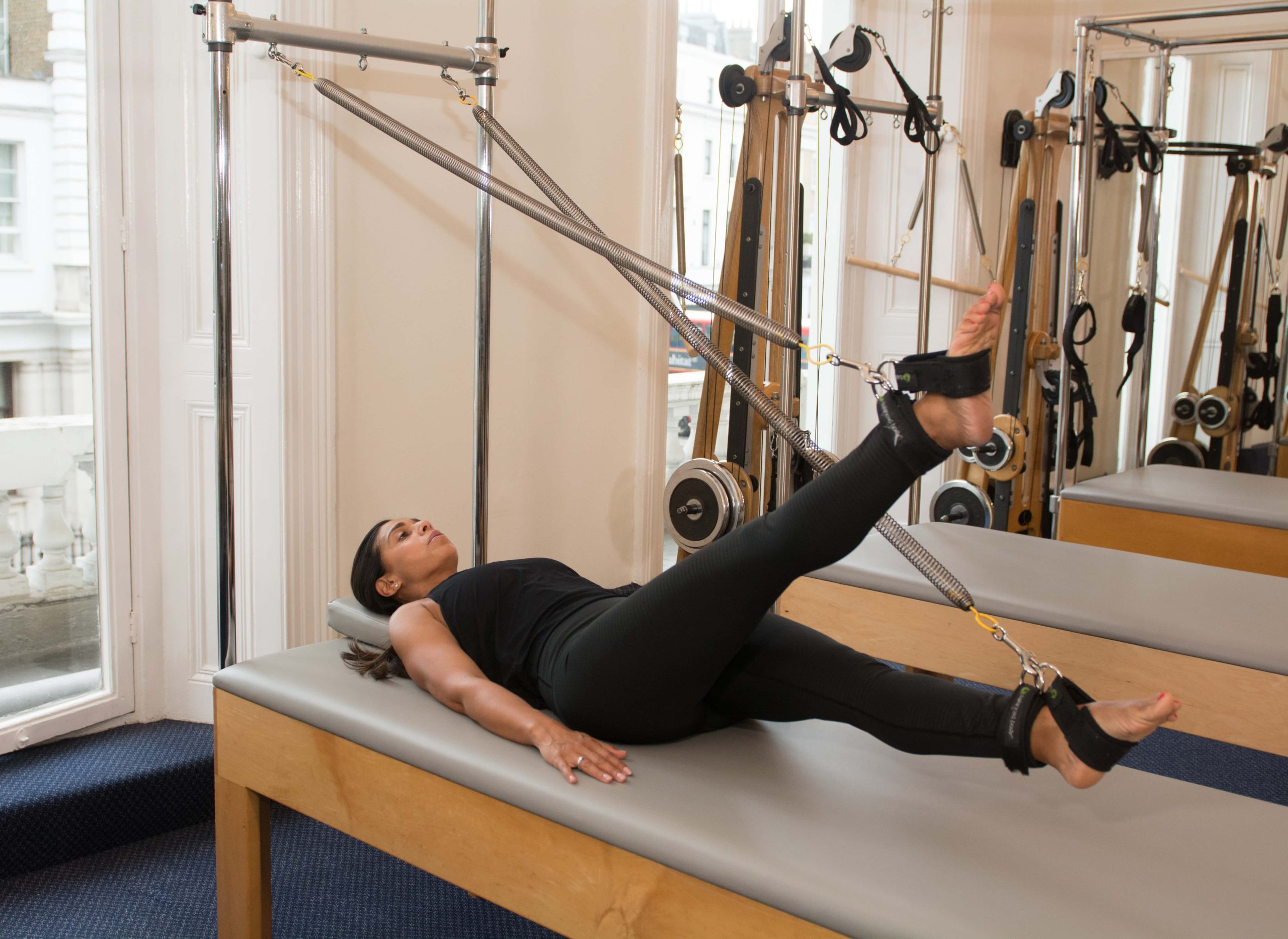
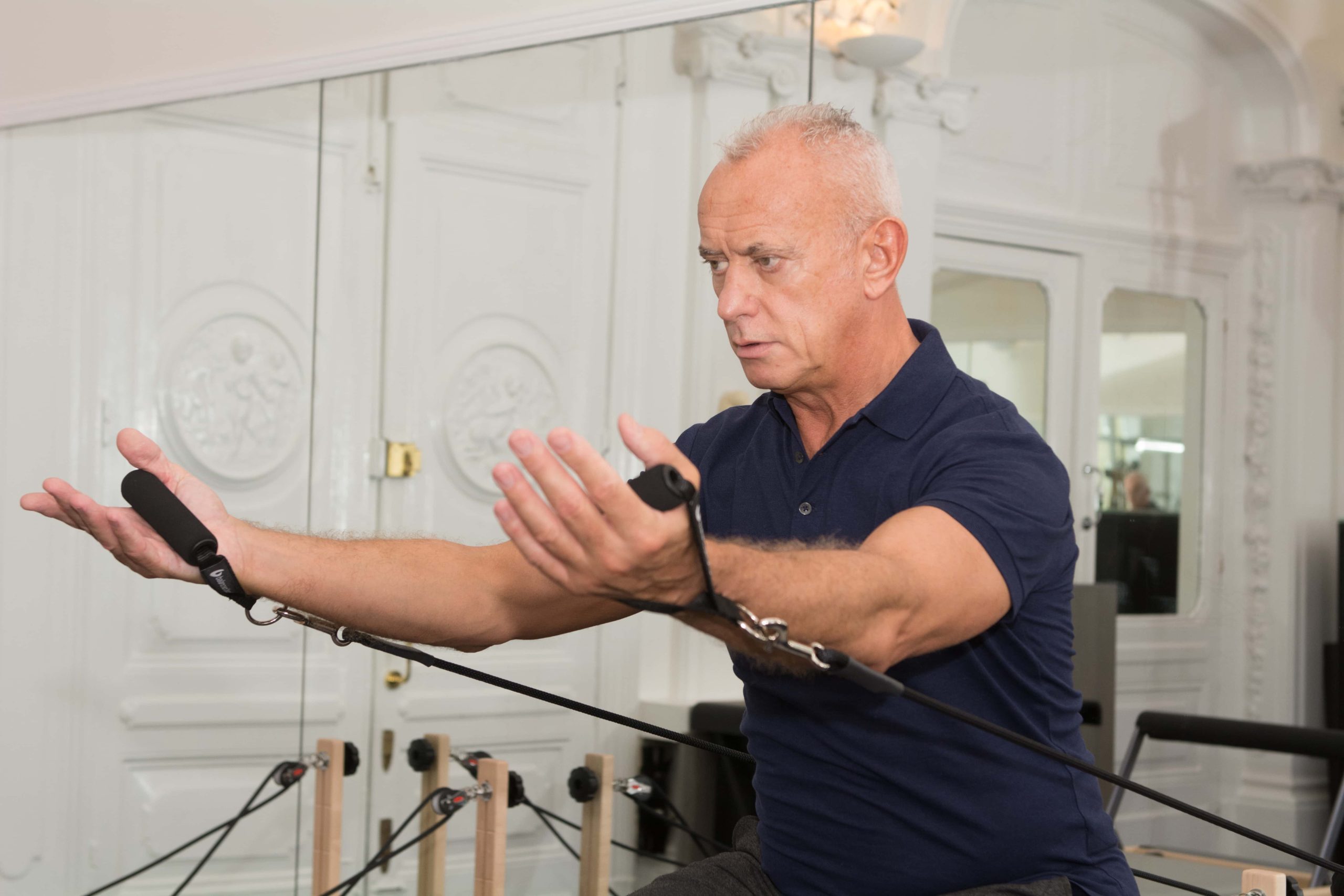
The reformer looks like a bed frame with a sliding carriage, springs, straps, and a footbar. Unlike mat work, it provides both resistance and support. This creates instant feedback on alignment — if your pelvis is rotated, the carriage won’t glide evenly. A trained teacher sees it immediately.

That’s why the reformer is used for everything from elite athletic conditioning to post-surgical rehab. The same machine adapts to a 25-year-old dancer or a 75-year-old rebuilding strength after a hip replacement. In London, that versatility is why demand for reformer work has grown year after year.

But how the reformer gets used varies dramatically between studios. Unlike fast-paced group classes, classical Pilates focuses on control, alignment, and progression over time.

The Real Benefits of Proper Reformer Work

1. Structural balance
Springs create even resistance that exposes asymmetry. Instead of pushing through it, a classical teacher uses that data to retrain your body toward natural balance.

2. Injury rehabilitation
Because the carriage is supported, you build strength without compressing joints. That’s why physiotherapists refer clients for slipped discs, osteoarthritis, and postural dysfunction. At Trevor Blount Pilates, rehab before and after surgery is a special interest.

3. Deep muscle control
This is what Trevor calls the “internal mechanism” — sensing and controlling deep stabilising muscles before you move. It’s the opposite of rushing through reps. You build strength that transfers to daily life.

4. Mind-body connection
The moving carriage forces your nervous system to coordinate stabilisers and movers together. Clients notice better walking gait, posture, balance, and performance in other sports.

5. Focus and control
The South Kensington studio is kept quiet and free of distractions on purpose. The mind-body link is what makes the method effective. Fast-paced music and choreography break it.

What Happens in a Session

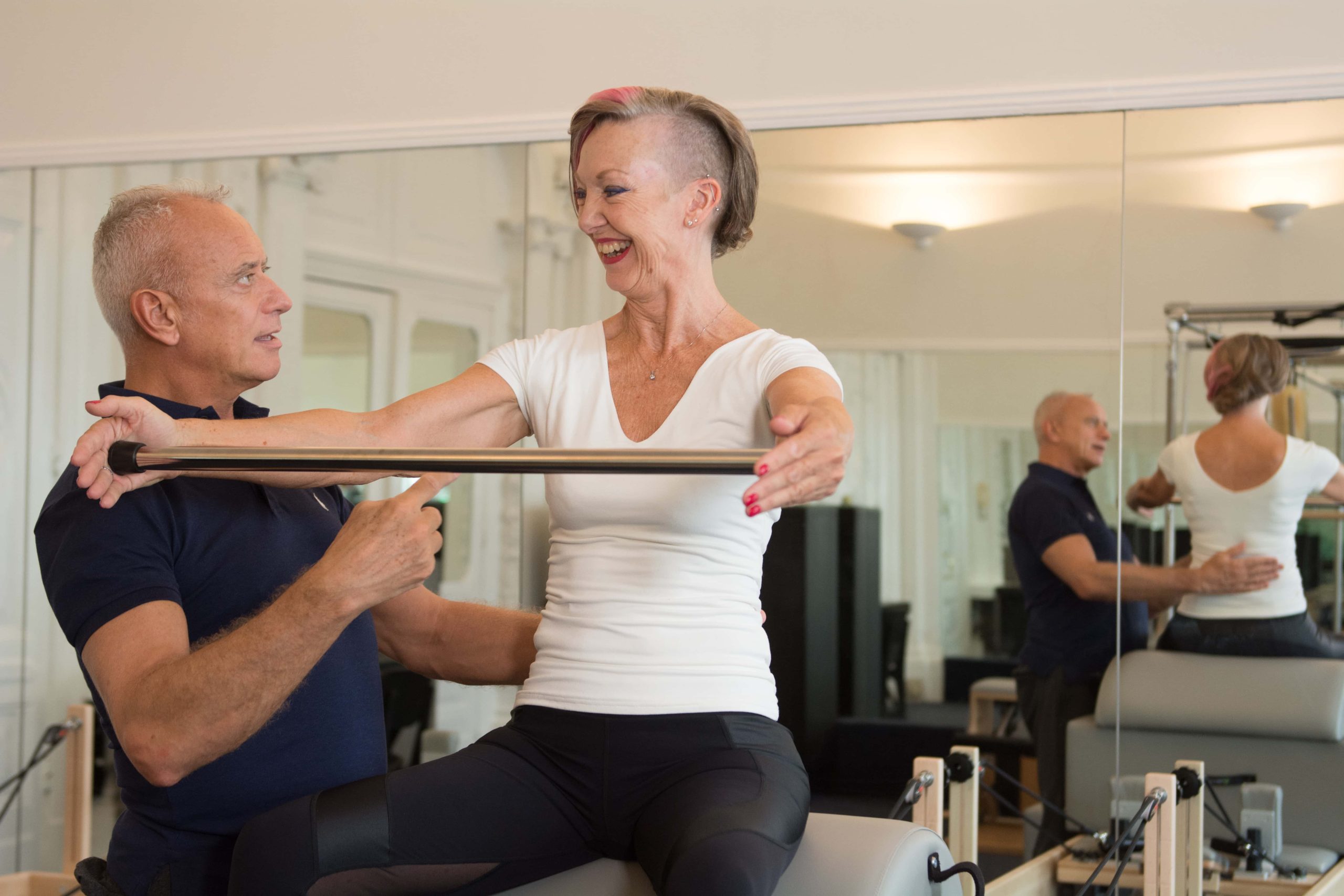
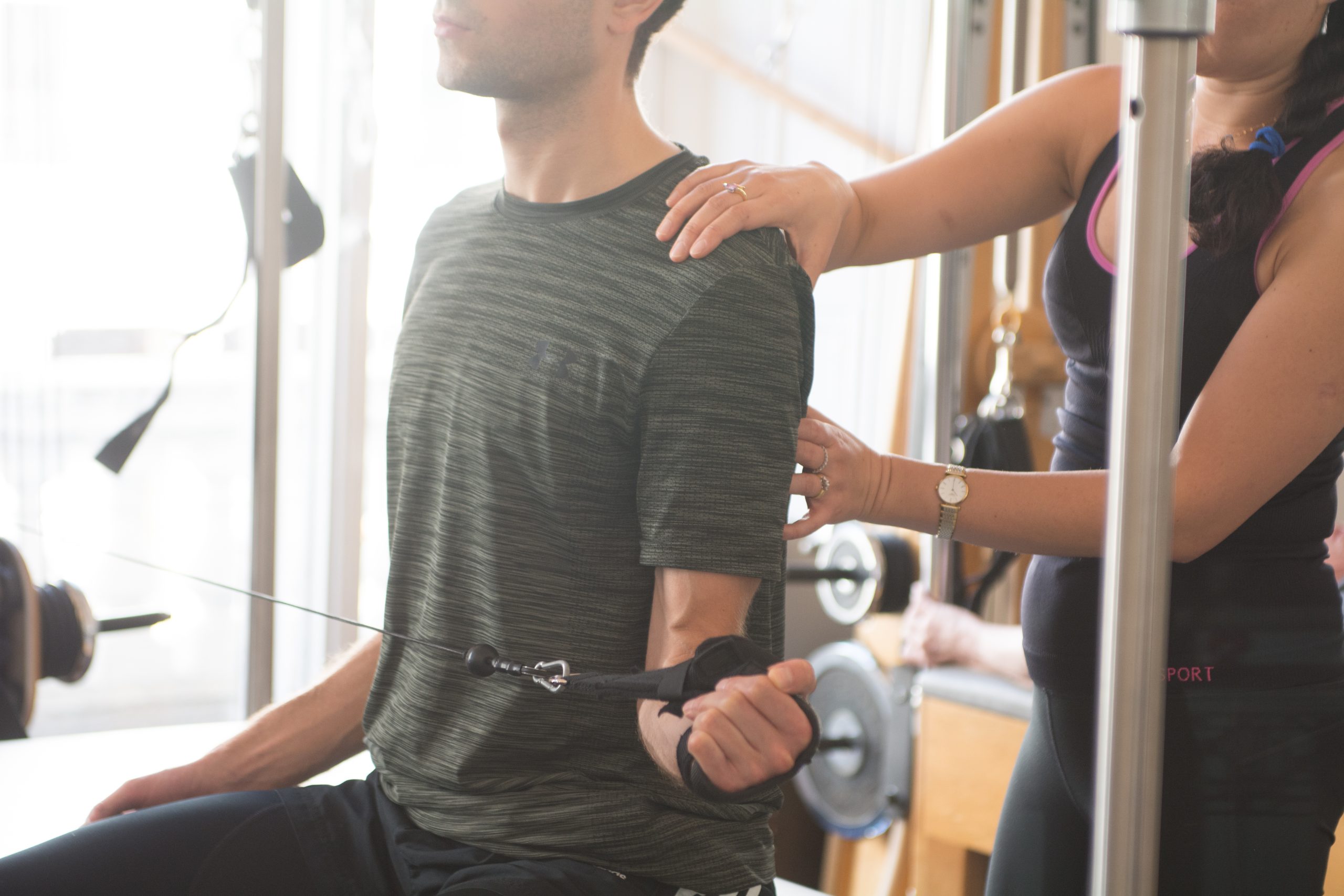
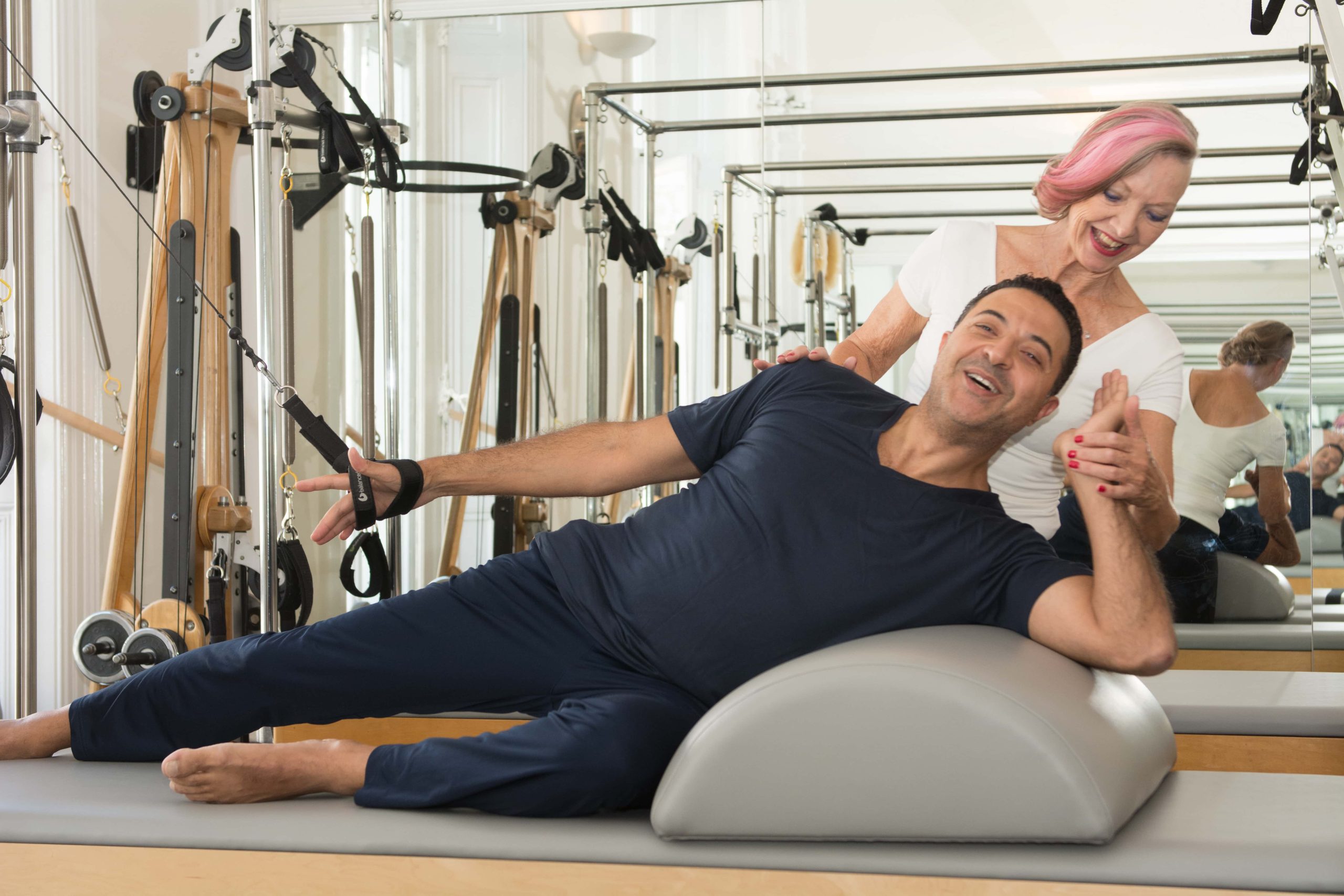
Reformer Pilates one-to-one session

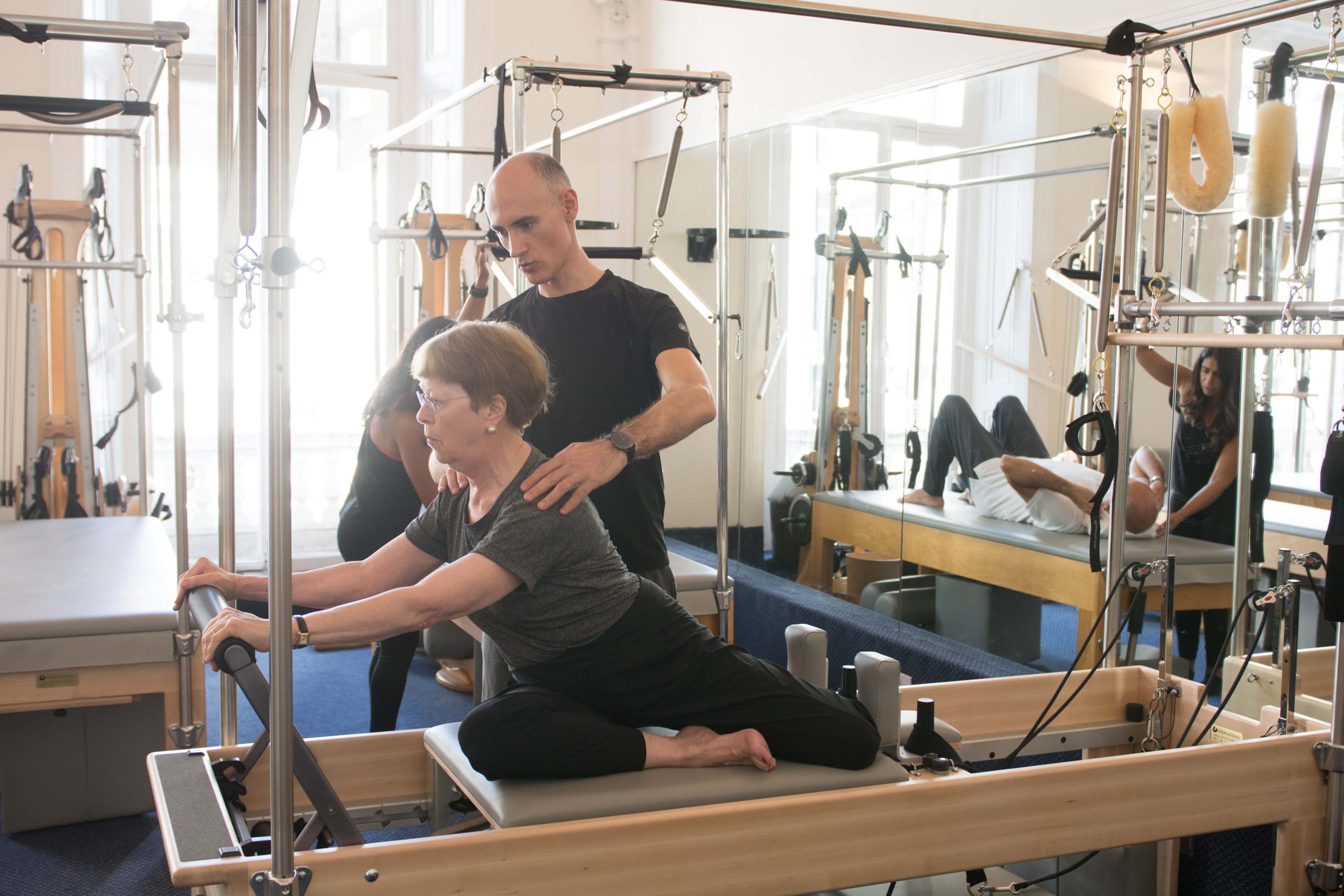
No group classes. No drop-ins. Every client begins with a 75-minute assessment session. This allows your teacher to map your anatomical structure, discuss your history and goals, and begin building a bespoke programme.

Sessions after that are also 75 minutes, not the standard 60. That extra time lets you work through the entire body without rushing. You’ll work one-to-one with your teacher, or two-to-one in a duet session where each client has their own programme and equipment.

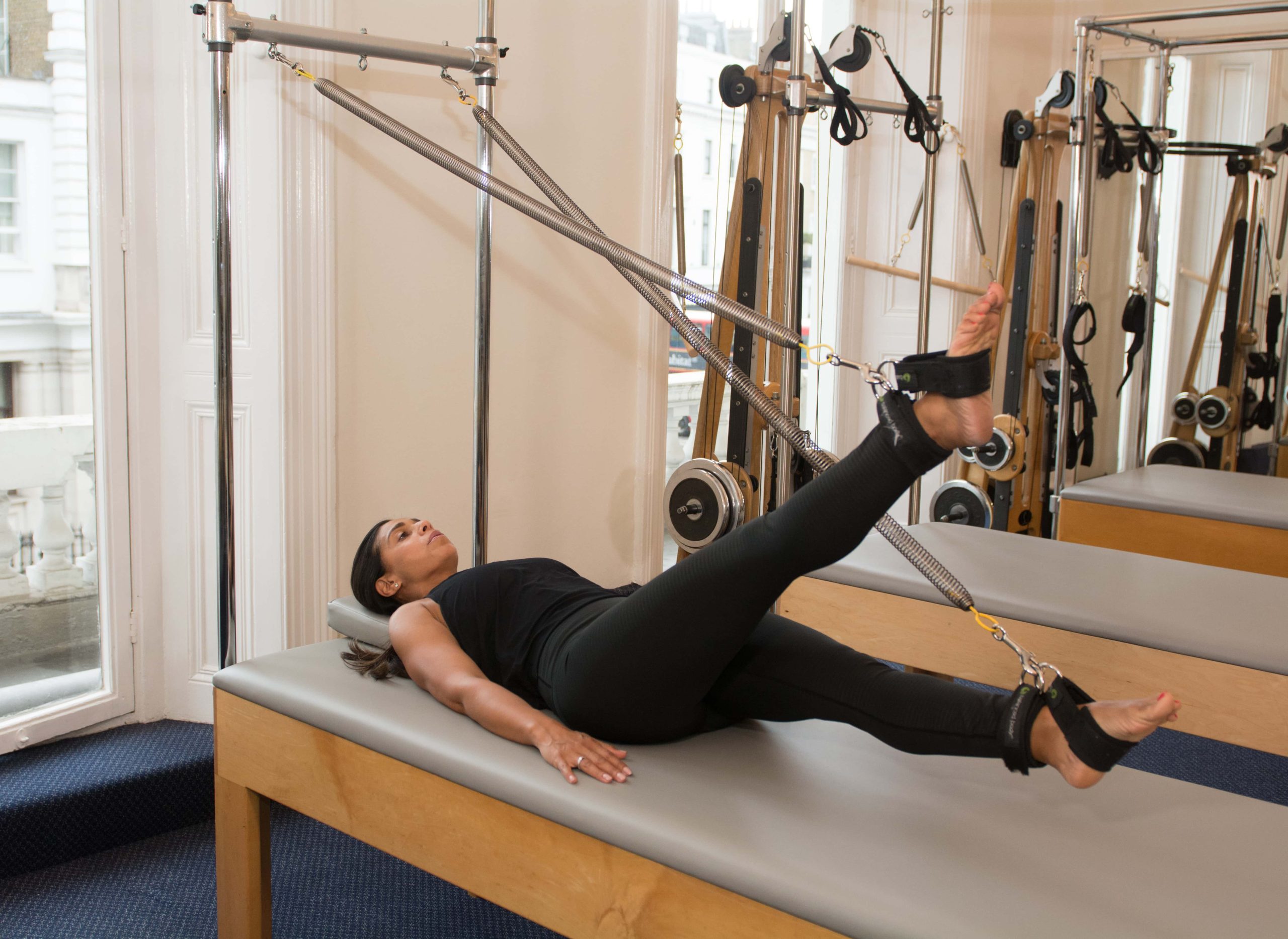
You won’t just use the reformer. The studio has the full classical apparatus: cadillac, wunda chair, ladder barrel, and more. Your teacher selects the right tool for your body that day.

Classical vs Modern Pilates

Classical Pilates follows the original system created by Joseph Pilates, with structured progression over months and years. The goal is uniform development — no body part overworking to compensate for another.

Modern group classes often blend in physiotherapy, yoga, or HIIT elements and prioritise intensity and variety. Classical training focuses on precision, balance, and long-term results.

Trevor started teaching in 1985 after training with former dancer Dreas Reyneke. He managed London’s most prominent Pilates studio for six years before opening his own in South Kensington in 1991. He went on to start the PILATESfoundation in 1996 and helped build its teacher accreditation system. Since 2010 he has run his own certification programme, training teachers one-to-one.

Who This Is For

Beginners
Starting 1:1 means you build correct form before joining larger settings. It prevents injuries and bad habits.

Injury recovery
Slipped discs, chronic back pain, osteoarthritis, and postural problems need bespoke programming. Group classes can’t adapt enough.

Pre/post-natal
The reformer supports your weight while you strengthen deep core and pelvic floor safely.

Athletes
Build power without bulk. Correct unilateral imbalances that lead to injury and improve performance.

Clients over 50
Maintain bone density, mobility, strength, and balance with spring resistance that’s kinder on joints than weights.

Pricing and Booking

Private work is an investment, and the pricing reflects the session length and expertise involved.

Session Single 10 Pack 20 Pack
Assessment (75 mins) £130
Duet (2:1) £130 £940 (£94 each) £1,780 (£89 each)
1:1 Trevor £170 £1,470 (£147 each) £2,840 (£142 each)
1:1 Teacher £150 £1,170 (£117 each) £2,300 (£115 each)

Packages offer better value per session and are recommended for clients committed to long-term progress.

New clients receive the assessment free when purchasing 10 sessions. See full Pilates session pricing.

Studio Information

Studio Hours
Monday – Tuesday, Thursday: 7:00 AM – 8:00 PM
Wednesday, Friday: 7:00 AM – 2:00 PM
Saturday: 8:00 AM – 2:00 PM
Sunday: 8:45 AM – 1:45 PM

Location
5 Harrington Road
South Kensington, SW7 3ES
5 minutes from South Kensington station

Contact
+44 20 7584 0680
bookings@trevorblountpilates.com

Why Clients Stay for Decades

This is not a quick fix. The studio doesn’t chase trends. There’s no music and no fast-paced choreography. Just you, the teacher, and the apparatus.

It takes time to turn the skill of teaching Pilates into an art. Trevor’s team has built a reputation for excellent work because the focus is on lasting structural change. Clients who came for post-pregnancy recovery or a slipped disc 15 years ago still book weekly sessions.

For those willing to commit, the results are lasting. The goal isn’t a 6-week transformation. It’s a body that moves well for life. If that’s what you’re looking for from Pilates in London, start with an assessment. You’ll know in 75 minutes whether this is your method.

Can Pilates Build Muscle and Strength? A Complete Guide

Can Pilates actually build muscle, or is it just stretching? If you’re coming from the gym, that’s the first question you ask.

The common misconception is that Pilates tones but doesn’t build real strength. The truth: Pilates can build lean, functional muscle — when it’s taught with precision, resistance, and progression. It won’t give you bodybuilder bulk, but it develops strength you can use. Here’s how it works, what to expect, and how to make sure you’re getting it.

Does Pilates Build Muscle?

Yes. Pilates builds muscle through the same principles weight training uses, just applied differently:

Time under tension
Every Pilates rep is slow and controlled. Holding a teaser for 10 seconds or doing 8 slow leg presses on the reformer keeps the muscle under load the entire time. That prolonged tension signals your body to adapt and strengthen. It’s the same mechanism as a tempo squat in the gym.

Controlled resistance
Reformer springs provide adjustable resistance from 5kg to over 50kg. Unlike dumbbells, the load changes through the range of motion. The hardest part of the exercise is often where you’re weakest, which forces stabilisers and primary movers to work together.

Progressive overload
This is what most casual classes miss. Muscle grows when you gradually increase challenge: heavier springs, longer levers, less base of support, or more complex coordination. Without progression, Pilates maintains strength. With it, you build it month after month.

Clarify: Pilates builds lean, functional strength and muscle endurance. You develop the kind of strength that improves posture, protects joints, and transfers to daily life. It does not build bulk like hypertrophy-focused weight training.

How Pilates Builds Strength

The mechanism differs from traditional weight training, which is why the results look and feel different.

Slow, controlled movements
Fast reps let you use momentum to cheat. Pilates removes it. Every inch is deliberate, so the muscle can’t escape the work. Five slow roll-ups done correctly are harder than 25 fast crunches with momentum.

Core engagement on every rep
In weights, core work is separate. In Pilates, your transverse abdominis, pelvic floor, and multifidus activate before your arms or legs move. You’re building a strong centre while training everything else. That’s why back pain often reduces after 6-8 weeks.

Stability plus resistance
Especially on the reformer, you’re balancing on a moving carriage while pushing or pulling springs. Your nervous system coordinates large movers and small stabilisers together. This builds integrated, functional strength vs isolated muscle firing.

Difference vs traditional weight training: Weights isolate muscles and prioritise external load. Pilates integrates the whole body and prioritises control under load. Pilates vs weights isn’t either/or. Weights build capacity to lift more. Pilates builds capacity to move better and stay injury-free. Many people need both, but if you have joint issues, pain, or want strength without wear and tear, Pilates is the safer starting point.

Reformer vs Mat Pilates for Strength

Both build strength, but reformer is where most people feel it first. This is why the type of pilates classes London studios offer matters.

Reformer Pilates
Uses springs for adjustable resistance. You can make exercises harder or easier by changing springs, not just adding reps. This allows true progressive overload, which is essential for building muscle. The carriage also supports your body, so it’s joint-friendly and safer if you’re starting with pain, weakness, or post-injury. Better for strength gains, rehab, and anyone who needs measurable progression.

Mat Pilates
Uses bodyweight only, sometimes with small props like bands or a magic circle. Relies entirely on your control, leverage, and endurance. It’s the original method and excellent for learning fundamentals, core endurance, and home practice. Harder to progress resistance beyond a point, so strength gains plateau faster unless you’re very advanced.

Natural lead-in: If your goal is muscle building or strength pilates, start with reformer sessions where a teacher can progress your springs and complexity. Mat is great for maintenance, travel, or learning basics, but reformer is where most clients report strength changes first. That’s why private or semi-private studio training delivers faster results than large group mat.

What Results Can You Expect?

Be realistic about timelines and outcomes. Pilates delivers, but it’s not overnight and it’s not bodybuilding.

Core strength (primary)
This is the fastest result. Within 4-6 weeks of consistent 2x per week pilates strength workout sessions, most people notice better posture, less back pain, and a stronger midsection. Not “six-pack” visible abs necessarily, but functional core that supports every movement.

Postural improvement
Shoulders sit back, neck tension reduces, standing and sitting feel easier. This comes from balancing overused and underused muscles, not just “strengthening the back.” Clients often say others notice their posture before they do.

Muscle endurance
You’ll hold planks longer, climb stairs without quad burn, and recover faster in other sports. Pilates trains slow-twitch and postural muscles that weights often miss. That’s why runners and cyclists use it.

Gradual muscle definition
Arms, legs, glutes, and back become more toned, especially if you start deconditioned, post-natal, or after time off. The look is long and lean because muscles work through full range, not shortened ranges.

Not bodybuilding results: You won’t add 10kg of muscle in 12 weeks. Pilates builds a strong, functional physique. Think dancer, gymnast, or martial artist strength, not powerlifter. If your goal is maximal hypertrophy, you still need weights. If your goal is strength you can use without pain, Pilates is enough.

Common Mistakes That Limit Strength Gains

1. Treating Pilates like stretching
If you flow through class without engaging, you’ll get flexible but not stronger. Every rep should feel like work. If it doesn’t, you need more spring, a longer lever, or better cueing. Ask your teacher.

2. Not progressing resistance
Staying on blue springs for months maintains strength but doesn’t build it. Muscle adapts, then needs a new challenge. Good teachers progress you when exercises look easy, not when you ask.

3. Poor technique
Rushing, arching your back, gripping with neck or shoulders, or using momentum shifts work away from target muscles. Precision matters more than reps. Bad form means no strength gain and possible strain.

4. Only doing beginner classes
Beginner classes teach safety and basics. Intermediate and advanced layers add complexity, longer levers, instability, and compound movements. That’s where strength is built. Stay there too long and you plateau. Progress when you’re ready.

Is Pilates Enough on Its Own?

Balanced take: for many people, yes. It depends on your goals.

Yes for sustainable strength + injury prevention: If you want to be strong, mobile, and pain-free at 50, 60, 70, Pilates is enough. Many clients in Wimbledon and across London use Pilates as their sole strength practice and are stronger now than they were at 30. It builds the foundation that keeps you active.

No for maximal muscle mass or powerlifting: If your goal is to compete, deadlift 200kg, or add significant size, you need external load. Pilates won’t replace heavy weights for those outcomes.

Positioning: Pilates is ideal for sustainable strength, injury prevention, and movement quality. It’s also the foundation that makes weight training safer and more effective. Many physiotherapists recommend starting here before loading heavy in the gym, especially if you have posture or back issues.

Why Coaching Matters More Than the Workout

This is your conversion lever and the truth most studios won’t tell you.

The equipment is standard. A reformer in Chelsea is the same steel and springs as one in South Kensington. A cadillac is a cadillac. The difference is the person teaching you. Equipment doesn’t correct your form. It doesn’t know you have a disc issue or that your left hip is tighter. Only the instructor does.

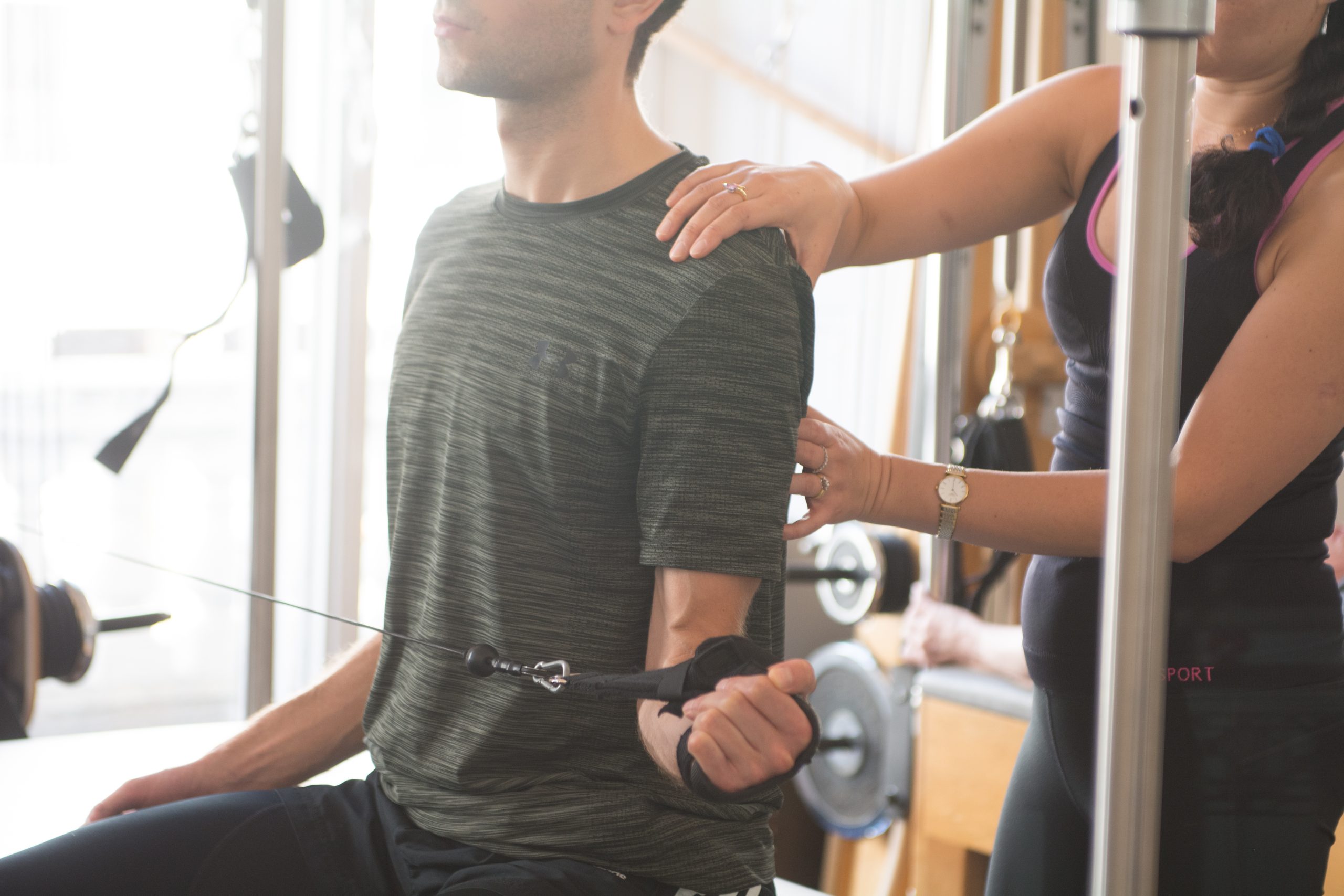
Precision equals intensity. When a teacher adjusts your pelvis 2cm, your glutes fire instead of your lower back. When they cue your exhale properly, your deep core switches on. When they progress you at the right time, you adapt and get stronger. Without that, you’re just moving through choreography.

Same exercises, different results depending on instruction. That’s why 10 private pilates core strength exercises sessions deliver more strength than 30 group classes. You’re not paying for the machine. You’re paying for the eyes, hands, and expertise that make the machine effective.

If You’re Serious About Building Strength Through Pilates

Look for technique-first approach, strength-focused sessions, and personalised progression. That usually means smaller classes or private 1:1, teachers trained in the full classical system, and a studio with the complete apparatus so they can select the right tool for your body.

At Trevor Blount Pilates in South Kensington, sessions are 1:1 or 2:1 only, 75 minutes long, and taught using the classical method Joseph Pilates designed. Every client gets a personalised progression plan because strength isn’t generic. It’s built rep by rep, with precision. The studio is ideal for beginners unsure if Pilates is enough, gym-goers wanting low-impact strength, people with injuries, and professionals with posture or back issues.

If you’re serious about building strength through Pilates, start with an assessment. You’ll feel in 75 minutes whether this method can deliver what you want. For technique-led pilates classes in London, call +44 20 7584 0680, book a session and test it yourself. 

Conclusion

Pilates can build muscle and real strength when it’s taught with precision, resistance, and progression. It won’t give you bodybuilder mass, but it will give you a strong, stable, functional body that holds up under load and lasts.

The keys are consistency, correct technique, and guidance from a teacher who understands how to progress you. Without those, it’s just movement. With them, it’s strength training.

Reaffirm: Pilates can build strength. Encourage consistency and proper guidance. If you want to see how it works for your body, explore private Pilates in London with an experienced teacher. A structured class is the difference between stretching and strength.

Frequently Asked Questions

Can Pilates replace weight training?
For general strength, posture, and injury prevention, yes. For maximal muscle mass or powerlifting goals, no. Many clients combine both: Pilates for foundation, movement quality, and joint health; weights for external load. If you have back issues or are in Wimbledon looking for low-impact options, Pilates alone is often enough.

How often should I do Pilates to build strength?
2-3 times per week for noticeable strength gains in 6-8 weeks. Once weekly maintains but progresses slower. Consistency beats intensity. In rehab settings, 2-3 private sessions weekly at first, then taper down.

Is reformer Pilates better for muscle building?
Yes. The springs allow progressive overload, which is essential for building strength. Mat builds endurance and control but resistance is limited to bodyweight. Most strength gains come from reformer or other apparatus because you can increase load systematically.

How long does it take to see results?
Most people feel stronger in 3-4 weeks. Visible definition takes 8-12 weeks of consistent 2x per week training with proper progression. Postural changes are often noticed by others before you see them yourself. If you’re consistent, expect meaningful strength changes in 2-3 months.

How Do Pilates Studios in London Differ in Terms of Equipment and Class Types?

Not all pilates studios in London are the same. Walk down any street in Wimbledon, Kensington, or Chelsea and you’ll see reformer classes, mat classes, and “fitness Pilates” advertised in every window. But the equipment they use, the way they teach, and the results you get can be completely different.

The biggest differences come down to three things: the apparatus in the room, the class format, and the instructor’s training. This guide breaks each one down so you can choose a studio that matches your goals, experience, and budget.

Types of Pilates Equipment Explained

Joseph Pilates designed a full system of apparatus. Most London studios only use one or two pieces. Knowing what each does helps you understand what you’re actually booking.

Reformer
The most common machine you’ll see in London. A sliding carriage with springs, straps, and a footbar. It provides resistance and support at the same time, which makes it useful for beginners, rehab clients, and athletes. Best for building strength without joint compression and for identifying left-right imbalances instantly.

Cadillac / Tower
A table-like frame with bars, springs, and straps above it. Used for supported stretching, spinal articulation, and more complex rehab work. You’ll usually only find this in fully equipped studios or clinical Pilates settings. Best for clients with injuries, limited mobility, or post-surgical needs.

Wunda Chair
A box with a spring-loaded pedal. It looks simple but is the most challenging piece of apparatus because there’s no back support. Used to build deep core strength and balance. Best for intermediate to advanced clients or for teaching upright posture.

Mat Pilates
No equipment except a mat and sometimes small props. Relies entirely on your body weight and control. It’s the original method and the hardest to do well because there’s no spring feedback. Best for home practice or for learning fundamentals, but least forgiving for beginners with pain or weakness.

Class Types You’ll Find in London Studios

The same reformer can be used five different ways depending on the class format. This is where most confusion happens.

Reformer group classes
8 to 12 reformers in a room, one teacher. Fast-paced, set sequence, often with music. Lower cost per class. Good for general fitness and people who already know the technique. Less personal correction. Common in Chelsea, Shoreditch, and Wimbledon high street studios.

Private 1:1 sessions
Just you and the teacher. Every exercise is selected for your body, goals, and limitations. Higher cost, but progress is faster because every minute is tailored. Standard for rehab, pre/post-natal, and clients with complex needs.

Semi-private or duet sessions
Two clients, one teacher. Each person works on their own programme. More affordable than 1:1 but still personalised. A middle ground if you want attention without full private fees.

Dynamic or fitness-style Pilates
Marketed as “HIIT Pilates” or “cardio reformer.” Uses the reformer but blends in lunges, planks, and weights. Focus is sweat and calories. Good if your goal is a workout. Less emphasis on classical technique or postural detail.

Clinical or rehabilitation Pilates
Taught by physiotherapists or rehab specialists, often 1:1 or in small groups of 3-4. Uses reformer, cadillac, and chair for injury recovery. Slower pace, medical focus. GP referrals common.

Key insight: Group reformer is cheaper but less personalised. Private sessions cost more upfront but usually mean faster, safer results because the teacher corrects you on every repetition.

Classical vs Contemporary Pilates

This is the difference that affects everything else. Most people booking pilates classes London don’t realise there are two distinct schools.

Classical Pilates
Follows Joseph Pilates’ original order, system, and apparatus exactly. Exercises are layered over months and years. The goal is uniform development — no muscle group overworking to compensate for another. Sessions are quiet, precise, and technique-focused. Teachers train for years to understand the full system.

Contemporary Pilates
Adapts the method by blending in physiotherapy, yoga, or fitness influences. Teachers modify exercises, add weights, or change the order. More creative and variable. The focus shifts from system to individual workout design.

Many of the best pilates studios London offers lean “fitness-first” because it sells group classes. Studios focused on classical work are fewer and usually private. They prioritise precision and long-term structural change over calorie burn. Trevor Blount Pilates in South Kensington has taught the classical method since 1985 for exactly that reason.

How to Choose the Right Pilates Studio in London

Use this framework before you book:

1. Define your goal
Rehab from injury needs clinical or private 1:1. General fitness works in groups. Long-term posture or strength changes need classical training over time.

2. Be honest about experience level
Beginners with back pain or hypermobility should not start in a fast group reformer class. Start 1:1 to learn form, then move to groups if you want.

3. Set your budget
Group reformer in London runs £25-£45 per class. Private 1:1 is £80-£200. Semi-private sits between. Decide if you want frequency or quality.

4. Check location vs commitment
A studio in Wimbledon is perfect if you live there. But if you need specialist rehab, travelling to Central London or Kensington for the right teacher is worth it. Consistency matters more than convenience.

5. Vet instructor expertise
Ask how long they’ve taught, who trained them, and whether they understand your specific issue. A certificate isn’t enough. Years of hands-on experience with bodies like yours is what changes outcomes.

Common Mistakes to Avoid

1. Choosing based on price alone
The cheapest group class costs more long-term if you develop bad habits or get injured. Quality instruction prevents both.

2. Ignoring instructor qualifications
“Reformer certified” can mean a weekend course. Ask about their lineage: who taught them, how long they’ve taught, and whether they teach the full system or just reformer.

3. Jumping into advanced reformer classes too early
If you can’t stabilise your pelvis on a mat, you shouldn’t be doing jumping lunges on a moving carriage. Build foundations first or you’ll reinforce compensation patterns.

Why Instructor Quality Matters More Than Equipment

This is where most comparison articles stop. They list studios and equipment like that’s the deciding factor. It isn’t.

A reformer in Chelsea is the same steel and springs as a reformer in Wimbledon. A cadillac is a cadillac. The difference is the person teaching you. Equipment doesn’t correct your form. It doesn’t know you have a slipped disc or that your left hip is tighter. Only the teacher does.

Results come from coaching, not machines. Personalised attention means you learn the “why” behind each movement, not just the “what.” That’s why two people can take 50 group classes and get different outcomes, while one person with 10 private sessions sees measurable change. The machine is standard. The instruction isn’t.

A Note on Technique-Focused Training

If your goal is long-term structural change rather than a quick fitness hit, look for studios that prioritise technique over trends. That usually means smaller class sizes or private work, teachers with decades of experience, and a full suite of apparatus so they can select the right tool for your body.

At Trevor Blount Pilates in South Kensington, sessions are 1:1 or 2:1 only, 75 minutes long, and taught using the classical system Joseph Pilates developed. The focus is precision, not pace. It’s particularly suited to beginners who want to learn correctly, clients managing pain or injury, and anyone who wants their body to move better in 10 years, not just 10 weeks.

You can find high-energy reformer across London. If you want to understand your body and rebuild it systematically, the options are fewer. That’s not a sales pitch. It’s just the reality of how the method was designed to work.

Conclusion

Not all pilates studios in London are equal. The equipment matters, but the class format and instructor expertise matter more. Choose based on your goal, not the trendiest branding. If you need rehab or lasting postural change, prioritise coaching quality and personalisation over price or proximity.

Start by defining what you want from Pilates. Then match that to the studio that teaches that way. For technique-focused training in Central London, explore private Pilates classes in London. For a breakdown of the apparatus used, see our reformer Pilates guide.

Frequently Asked Questions

What type of Pilates is best for beginners?
Private 1:1 or small semi-private sessions using the reformer. The springs give support and feedback while the teacher corrects you. Mat is hardest to learn correctly, and large group reformer moves too fast for most beginners.

Is reformer Pilates better than mat Pilates?
Neither is better. They’re different tools. Reformer gives resistance and support, so it’s easier to feel connections and safer if you have pain. Mat requires more internal control. Ideally you learn both, but most people start on reformer.

How often should I do Pilates?
For results, 2-3 times per week. For maintenance, once weekly with home mat practice. In rehab settings, physiotherapists often prescribe 2-3 private sessions weekly at first, then taper down.

Are private Pilates sessions worth it?
If you have a specific goal, injury, or want to learn the method properly, yes. You’ll progress faster in 10 private sessions than 30 group classes because every rep is corrected. If you just want a social workout, group is more cost-effective.

Find us on Intently